For immediate release: Tuesday, January 20, 2026
Contact: pressinquiries@seiuva.org
MEDIA ASSETS: (Link)
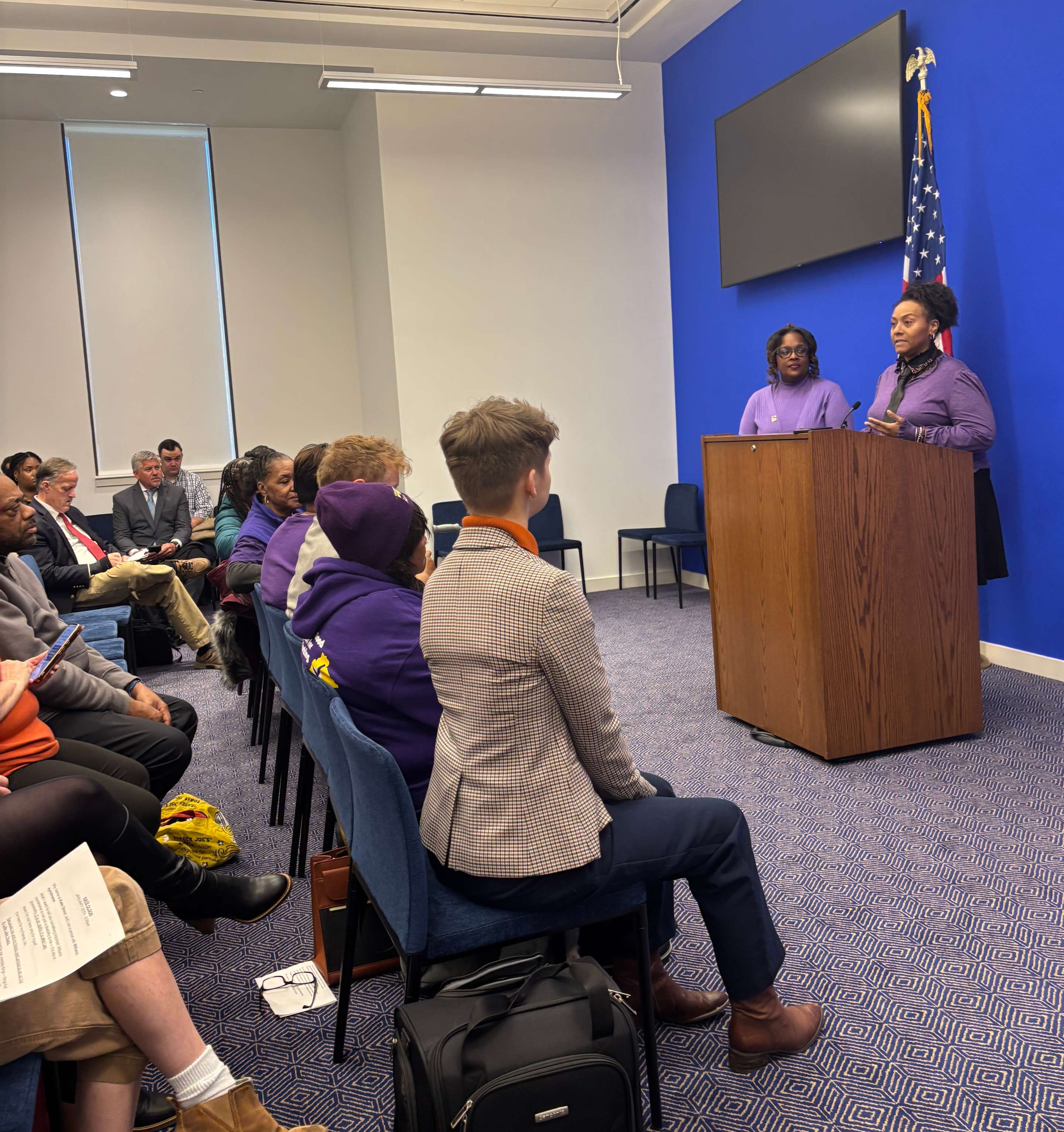
RICHMOND – In the wake of the holiday honoring Dr. Martin Luther King, Jr., home care workers – predominantly women and people of color – united in SEIU Virginia 512 are calling for a transformation in care jobs through public sector collective bargaining, livable wages to recruit and retain more dedicated workers, and fair pay for all hours worked.
Their advocacy is part of a larger program of events, including Care Week (January 19-23) and SEIU Lobby Day (January 27-28), when home care workers and families from across the Commonwealth will unite in Richmond at the Capitol and call on state lawmakers to pass a bold Care Agenda to ensure there are enough home care providers to meet the rising demand to care for Virginia’s aging parents, grandparents and people with disabilities. SEIU Virginia 512’s Care Week includes activities such as:
- A social media advocacy day on Wednesday, January 21.
- Sponsorship of the Developmental Disabilities Advocacy Rally, hosted by the Arc Virginia, on Thursday, January 22 at 11:30 AM at the Bell Tower (101 N 9th St., Richmond, VA)
- A Wellness Room hosted in the Capitol on Friday, January 23.
Home care workers paid through Medicaid provide life-sustaining support to seniors and people with disabilities – helping them bathe, dress, eat, and remain safely in their homes. Despite the reality that this work is often 24 hours a day, the Commonwealth only compensates workers for up to 16 hours, leaving them unpaid for overnight care, hospital bedside support, and other critical responsibilities. Many caregivers provide care for family members and are paid through state programs for this essential work.
“Home care workers are providing essential care that makes all other work possible, yet they are denied dignity, fair pay, and a voice on the job,” said LaNoral Thomas, President of SEIU Virginia 512. “Our Care Agenda is about moving Virginia forward – investing in care, respecting workers, and ending policies rooted in a long history of undervaluing women and people of color and the work we do.”
Public employee collective bargaining is crucial for home care workers. Virginia is facing a home care workforce crisis that is driven by low wages, little to no access to training opportunities and other workforce supports, and the inability for home care workers to have a collective and unified voice in the system. Home care workers across most of the state are only paid $13.88/hr, with workers in Northern Virginia making $17.97/hr. Neither wage is enough to support workers and their families, and according to the Paraprofessional Health Institute (PHI), more than half of home care workers in the state are on public assistance.
The legislation, HB1263 (Delegate Kathy Tran) and SB378 (Senator Scott Surovell), would give public service workers across Virginia — including home care workers — the right to bargain collectively for better pay, benefits, and working conditions. It creates a clear process so workers can have a seat at the table with their public employers to address pay, benefits and working conditions.
The goal is simple: make it easier to recruit and keep experienced workers, strengthen public services, and ensure working families can thrive.
“Collective bargaining is how home care workers can finally speak up together about wages, benefits, and working conditions,” said Athena Jones, Chair of SEIU Virginia 512’s Home Care Chapter Executive Board. “Without it, workers are stuck struggling — and families struggle to find consistent care.”
All public employees are barred from collective bargaining at a state level, with some local and county offices stepping up to bring fairness to the public workforce. These exclusions have a legacy rooted in Jim Crow-era policies that deliberately denied Black workers power and economic security. Today, those exclusions continue to trap care workers in poverty wages and unstable jobs – even as Virginia’s population rapidly ages and demand for home-based care grows.
“I’ve been a home care worker for more than 30 years, and I’m here because this work — and the people we care for — deserve dignity,” said Joy Barnes, a Virginia home care worker. “We help seniors and people with disabilities live safely in their own homes, but too many of us are still living paycheck to paycheck without a real voice on the job.”
###
1. Paraprofessional Health Institute (PHI) Workforce Data Center, based on 2022 data, available at: https://www.phinational.org/policy-research/workforce-data-center/#states=51&var=Public+Assistance